
Educational Botanical Resource
Exploring the chemistry of plant-based compounds and their role in human physiology
Educational content only. No medical services. No promises of outcomes.
Plant-based phytonutrients represent a diverse group of chemical compounds found in botanical sources. These organic molecules have been part of human nutrition throughout history. Modern analytical methods allow examination of their chemical structure, including polyphenols, alkaloids, and flavonoids.
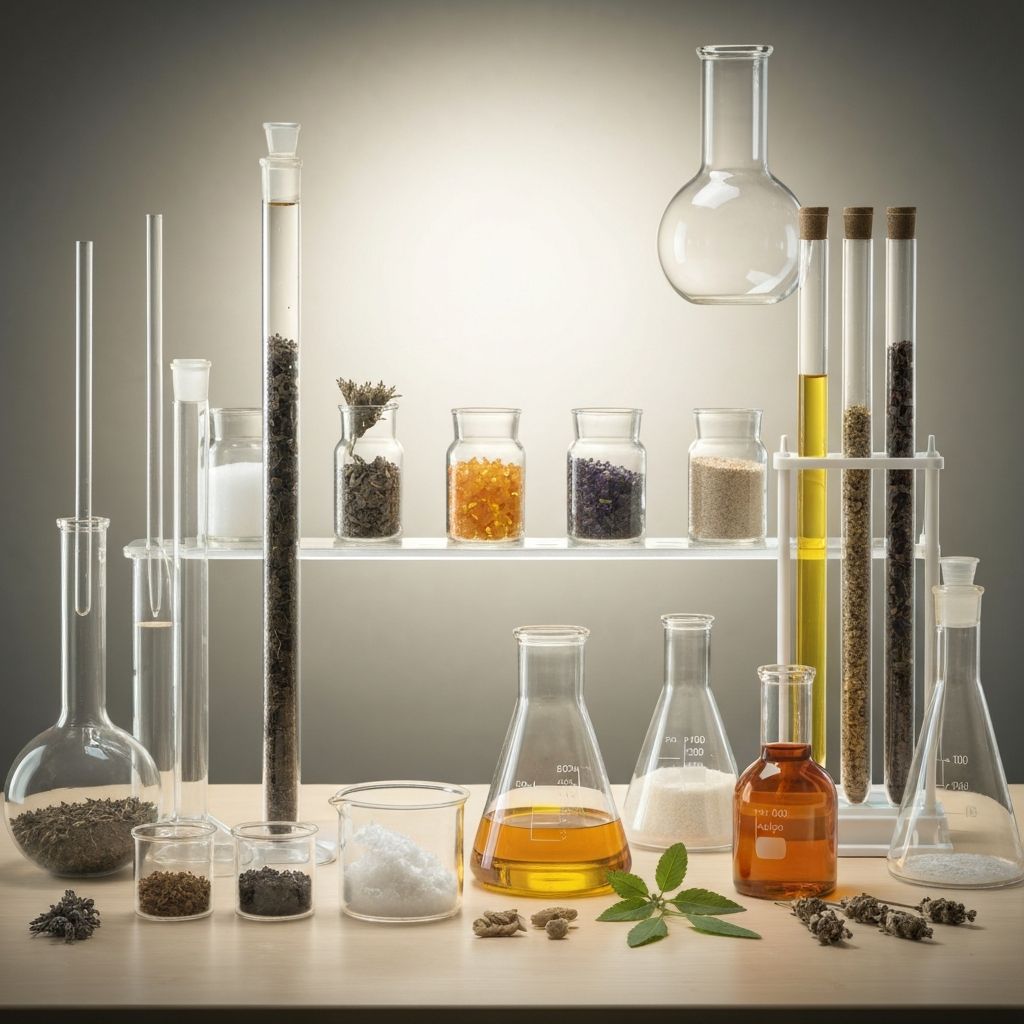
The study of phytochemistry involves understanding molecular composition, bioavailability factors, and the interaction of these compounds with biological systems at a cellular level. Research continues to explore how various botanical extracts contain complex mixtures of these organic substances.
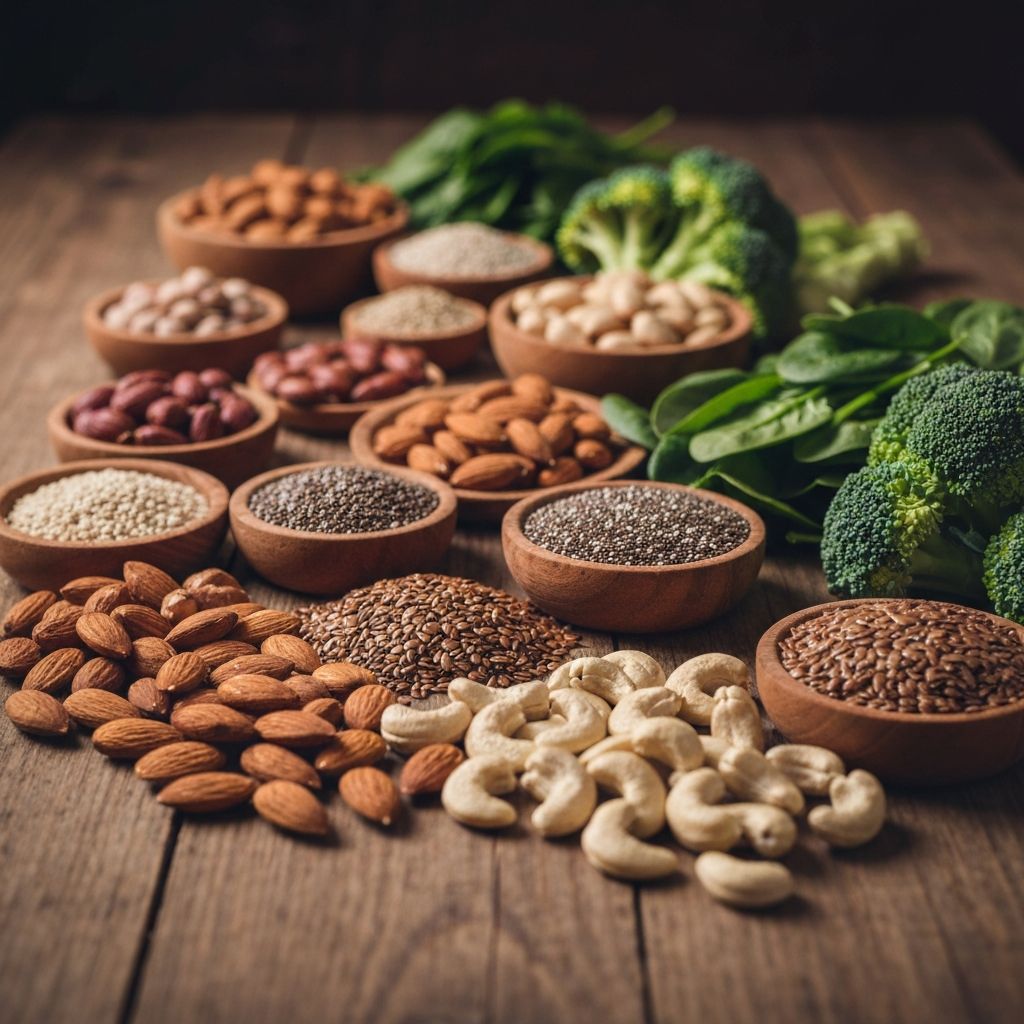
Essential minerals function as cofactors in numerous biochemical reactions within the human body. Magnesium participates in over 300 enzymatic processes, while zinc contributes to protein synthesis. Selenium acts as a component of antioxidant enzymes.
Involved in energy metabolism and protein synthesis. Found in leafy greens, nuts, and whole grains.
Functions in cellular metabolism and immune system processes. Present in legumes, seeds, and shellfish.
Component of selenoproteins with antioxidant properties. Obtained from Brazil nuts and fish.
The use of botanical materials in European traditions dates back millennia. Ancient Greek scholars documented the properties of various plants, while medieval monasteries cultivated herb gardens for nutritional purposes.

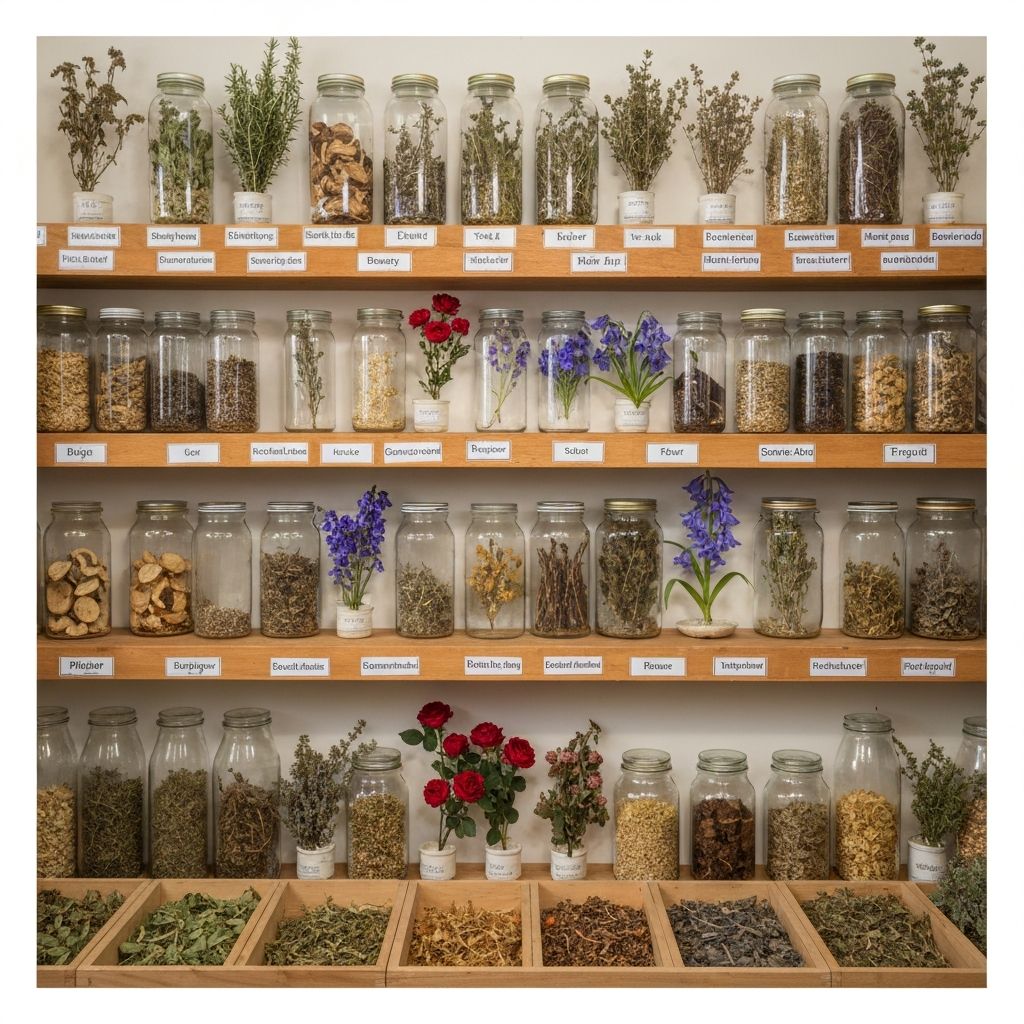

Traditional European herbalism recognized plants such as ginseng root, ashwagandha, and maca as botanicals of interest. Historical texts describe their use in various cultural contexts, though modern understanding focuses on their chemical composition rather than historical applications.
The human metabolism undergoes changes with advancing age. After the fourth decade, various physiological processes may experience alterations in efficiency. Energy expenditure patterns shift, and cellular regeneration rates can vary.
Metabolic rate refers to the speed at which the body converts nutrients into energy. Factors influencing this include muscle mass composition, activity levels, and nutritional intake patterns. Understanding these variables provides context for nutritional considerations in mature age groups.
Trace elements, despite their name, perform significant functions in biological systems. Copper participates in iron metabolism, manganese functions in bone formation processes, and chromium relates to carbohydrate metabolism.
The concept of physiological balance refers to the maintenance of stable internal conditions. This homeostatic principle applies to mineral levels, fluid balance, and pH regulation. Nutritional science examines how dietary intake of various elements contributes to these processes.
Environmental conditions influence human physiology in multiple ways. Exposure to natural light affects circadian rhythms, air quality impacts respiratory function, and temperature variations require metabolic adjustments.
The modern environment presents unique challenges compared to historical human habitats. Urban living patterns, artificial lighting, and sedentary occupations represent relatively recent changes in evolutionary terms. Understanding these factors provides context for examining lifestyle approaches.
Natural light regulates melatonin production and circadian timing. Seasonal variations in daylight duration affect various physiological processes.
Movement patterns influence cardiovascular function, bone density, and metabolic efficiency. Historical human activity levels differed significantly from contemporary norms.
An active lifestyle encompasses various forms of physical movement and engagement with the environment. Cardiovascular activities, resistance training, and flexibility exercises each contribute differently to physical function.



Movement science examines how different types of physical activity affect various body systems. Aerobic exercise influences cardiovascular efficiency, while resistance training affects muscle fiber composition. Balance and coordination activities engage neurological pathways.
Organic extracts from botanical sources contain complex mixtures of chemical compounds. Extraction methods vary, including water-based infusions, alcohol tinctures, and supercritical fluid extraction. Each method yields different compound profiles.
Standardization in botanical extracts refers to ensuring consistent concentrations of specific marker compounds. For example, ginseng extracts may be standardized to ginsenoside content, while ashwagandha extracts reference withanolide concentrations.

Phytochemical research examines the chemical constituents of plants and their interactions with biological systems. This field employs techniques such as chromatography, spectroscopy, and molecular analysis to identify and characterize plant compounds.
Antioxidant capacity represents the ability of compounds to neutralize reactive oxygen species. Polyphenols, carotenoids, and certain vitamins demonstrate this property in laboratory settings. The relationship between dietary antioxidants and biological oxidative stress remains an area of ongoing research.
This resource presents educational information about botanical compounds, minerals, and nutritional science. The content describes chemical properties, historical context, and general principles of human physiology.
This information does not constitute personal recommendations. Individual circumstances vary widely, and what applies generally may not apply specifically. Decisions regarding nutrition, lifestyle, or any aspect of personal health remain individual choices.
The materials presented here do not replace personalized guidance from qualified professionals. Anyone considering changes to their nutritional intake or lifestyle patterns should evaluate their individual situation comprehensively.
The content reflects current understanding in nutritional science and phytochemistry, fields that continue to evolve. Interpretations and applications of this information remain the responsibility of the reader.
Review additional information about botanical science and nutritional context.
Learn About This Resource Contact Information